What is Aortic Dissection?
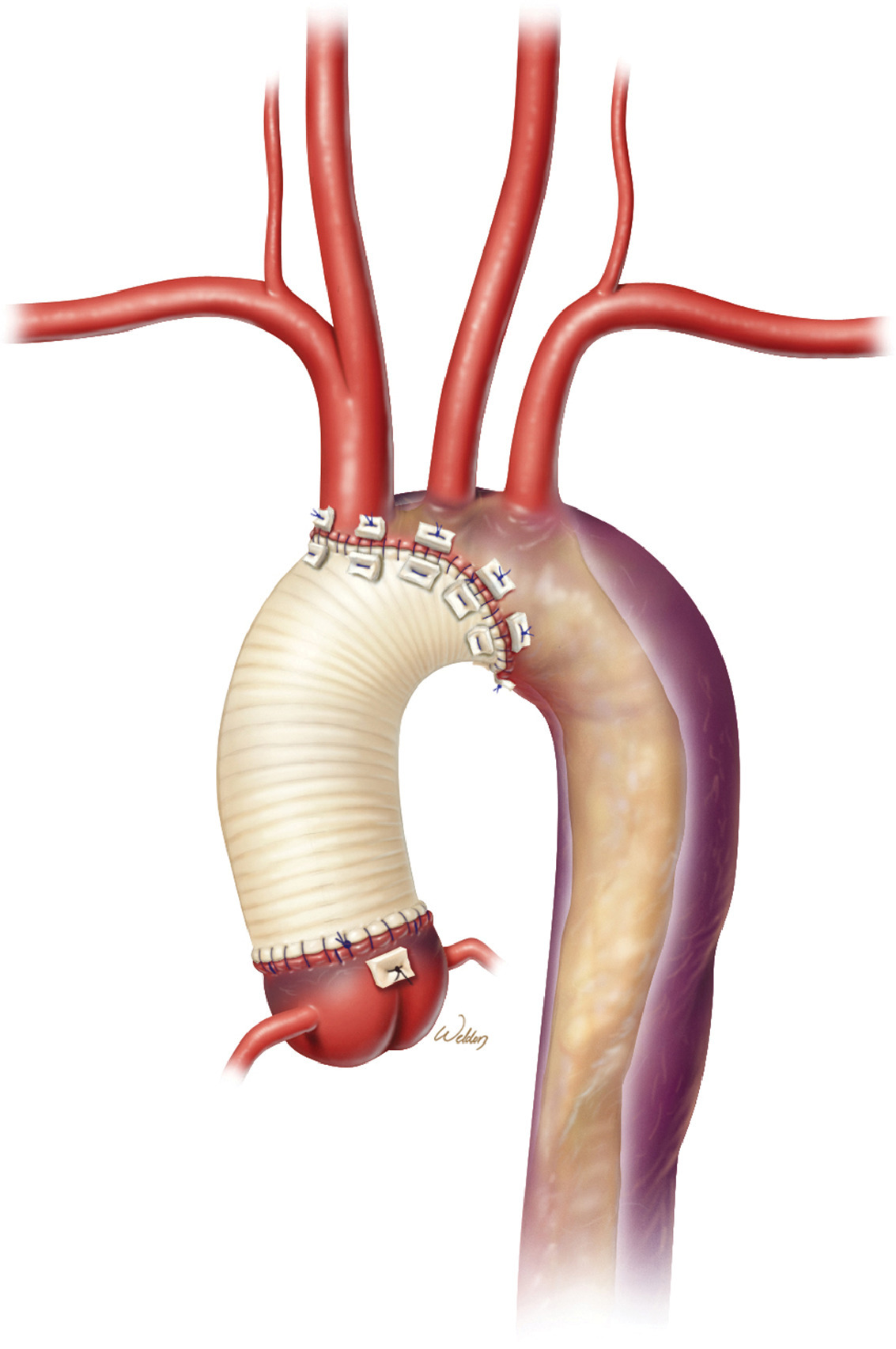
An aortic dissection is a tear in the wall of the aorta, the body’s largest artery. It causes blood to fill between the layers of the aorta, depleting oxygen and nutrients required for organs to function. This is a life-threatening emergency requiring immediate surgical intervention. Without surgery, ascending aortic dissection has nearly 100% mortality within a week.
Traditional vs Minimally Invasive Options
Open-Heart Repair: Traditional method requiring full sternotomy (chest opening). Used for ascending aortic or aortic arch dissections. Surgery duration: 4-8 hours. Hospital stay: 5-10 days.
Endovascular Repair (EVAR/TEVAR): Less invasive approach recommended for patients who may not be strong enough for open-heart surgery or for descending aortic dissections. Procedure duration: 2-3 hours. Faster recovery.
Why Choose Massvaa Care?
- Outstanding Value: Aortic dissection repair cost saving 85-90% in India
- Emergency Response Capability: 24/7 access to experienced cardiovascular surgeons trained in handling urgent cases
- Both Open and Endovascular Options: Treatment approach tailored to your specific dissection type and location
- 95% Success Rate: Excellent surgical outcomes matching international standards
- Advanced Imaging Technology: State-of-the-art CT angiography and intraoperative monitoring
- Comprehensive ICU Care: Specialized cardiac intensive care for close post-operative monitoring
- Long-Term Follow-Up: Regular imaging surveillance and blood pressure management protocols
Recovery & Travel Timeline
Open-Heart Repair:
- Hospital Stay: 5-10 days with 1-2 days in ICU
- Initial Recovery: 4-6 weeks
- Fit to Fly: 6-8 weeks minimum with medical clearance
- Return to Work: 2-3 months for non-physical jobs
- Full Recovery: 6-8 weeks
- Sternum Healing: 6 weeks
Endovascular Repair:
- Hospital Stay: 3-5 days
- Recovery Time: 2-3 weeks
- Fit to Fly: 3-4 weeks
- Return to Activities: 4-6 weeks
Patients require extended monitoring and should plan for 4-6 weeks in India. Lifelong blood pressure control and annual imaging follow-ups are essential.