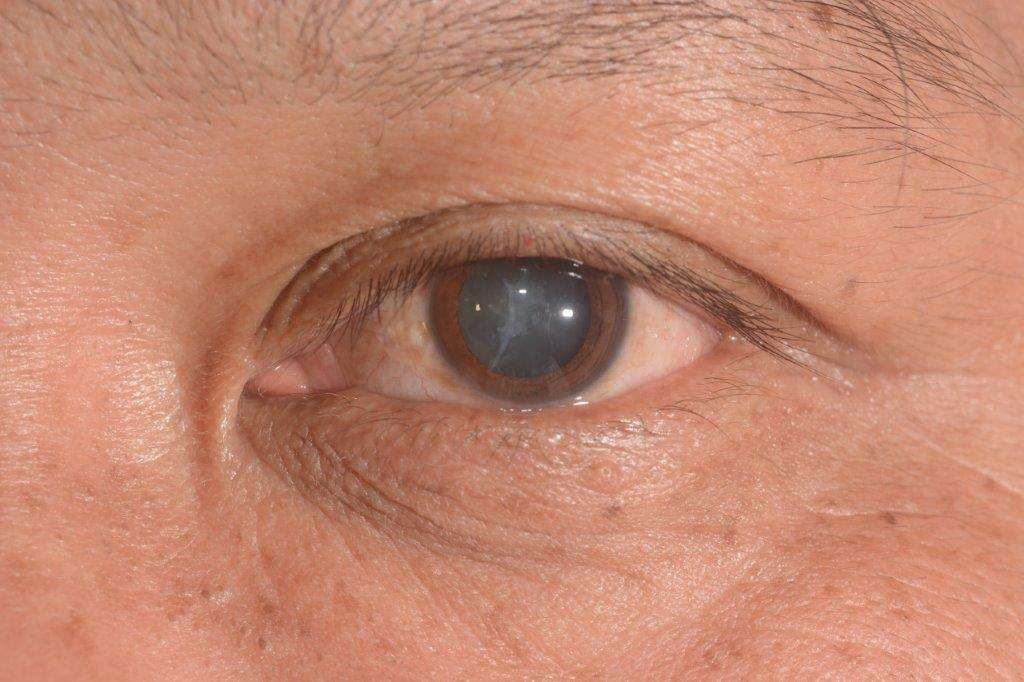
What is Cataract Surgery?
Cataract surgery is a safe and highly effective medical procedure that removes a cloudy natural lens from your eye and replaces it with a clear artificial lens. The cloudy lens, called a cataract, develops when the normally transparent lens in your eye becomes opaque, causing blurred vision and difficulty seeing clearly.
This outpatient procedure is one of the most commonly performed surgeries worldwide, with over 20 million operations conducted annually. The surgery offers excellent results, with more than 90% of patients experiencing significant improvement in their vision.
When Do You Need Cataract Surgery?
Cataract surgery becomes necessary when the cloudy lens interferes with your daily activities. You might consider surgery if you experience:
- Difficulty reading, cooking, or watching television
- Problems driving safely, especially at night
- Increased sensitivity to bright lights or glare
- Trouble recognizing faces or seeing colours clearly
- Reduced independence in performing everyday tasks
Your surgeon will help you choose the best artificial lens for your lifestyle.
The Surgery Process
Before Surgery
Your eye doctor will conduct a comprehensive examination to measure your eye and determine the best artificial lens for your needs. On the day of surgery, special eye drops will dilate your pupils, and you may receive mild sedation (only if necessary), to help you relax.
During Surgery
The entire procedure typically takes 10 to 15 minutes and is virtually painless and risk free. Here’s what happens:
- Anesthesia: Your eye is numbed with special drops, so you won’t feel any pain during the surgery
- Small Incision: The surgeon makes a tiny cut (about 2-3 millimeters) in your cornea
- Lens Removal: Using ultrasound waves, the cloudy lens is gently broken into small pieces and removed through the incision
- Artificial Lens Placement: A clear, artificial lens called an intraocular lens (IOL) is carefully inserted to replace the natural lens
- Healing: The small incision typically heals on its own without stitches
You’ll remain awake during the surgery but won’t see what the doctor is doing. Most patients only notice lights or gentle movement.
Recovery and Healing
Immediate Recovery
- No hospitalization required
- Some improvement in vision is often noticed immediately, though mild blurriness is normal
- Your eye may feel slightly gritty or sensitive to light for the first day or two
- Eye drops are administered every few hours for 24 hours
- The patient is fit to travel 48 hrs after surgery.
First Week
- Vision continues to improve as your eye heals
- You’ll use prescribed eye drops to prevent infection and reduce inflammation
- Avoid rubbing your eye, heavy lifting, or bending over
Complete Healing
- Most daily activities can be resumed within a few days
- Full recovery typically takes 4 to 8 weeks
- Your vision will stabilize during this time, with many patients experiencing their best results within the first month
Benefits of Cataract Surgery in India
Affordable World-Class Treatment
- Cataract surgery in India costs significantly lower than international rates while maintaining excellent quality standards
Advanced Technology & Techniques
- Access to cutting-edge femtosecond laser-assisted surgery (FLACS) offering enhanced precision and faster recovery
- State-of-the-art facilities with modern phacoemulsification and MICS (Micro-Incision Cataract Surgery) techniques
High Success Rates & Quality
- Over 98% success rate with excellent visual outcomes and low complication rates
Experienced Surgeons
- India has highly skilled ophthalmologists specializing in cataract surgery with extensive experience
- Surgeons perform significantly more procedures annually (over 2,000 at top centers) ensuring expertise
Comprehensive Care Packages
- All-inclusive treatment packages covering consultation, surgery, IOL, follow-up visits, and post-operative medications
Premium Lens Options
- Wide variety of intraocular lenses available including multifocal, toric, and light-adjustable lenses to reduce dependence on glasses
- Cost-effective premium lens options compared to international markets
Safety and Success Rates
Cataract surgery is extremely safe, with serious complications occurring in less than 2% of cases. The procedure has a success rate of over 98% in improving vision. Most patients experience little to no pain during or after surgery.
Cost
The cost varies significantly over the type of lens suitable for a particular patient. Kindly contact our executives at Massvaa Care for an estimate.